
Plant Profiles

Slicers
The classic red tomato that is the bases of salsas, sauces, and incredible dishes all around the world, but particularly throughout Central and South America where tomatoes originated from. With less bells and whistles than whimsical cherries or extravagant heirlooms, these ripe red tomatoes will never cease to satisfy.


Cherry Tomato
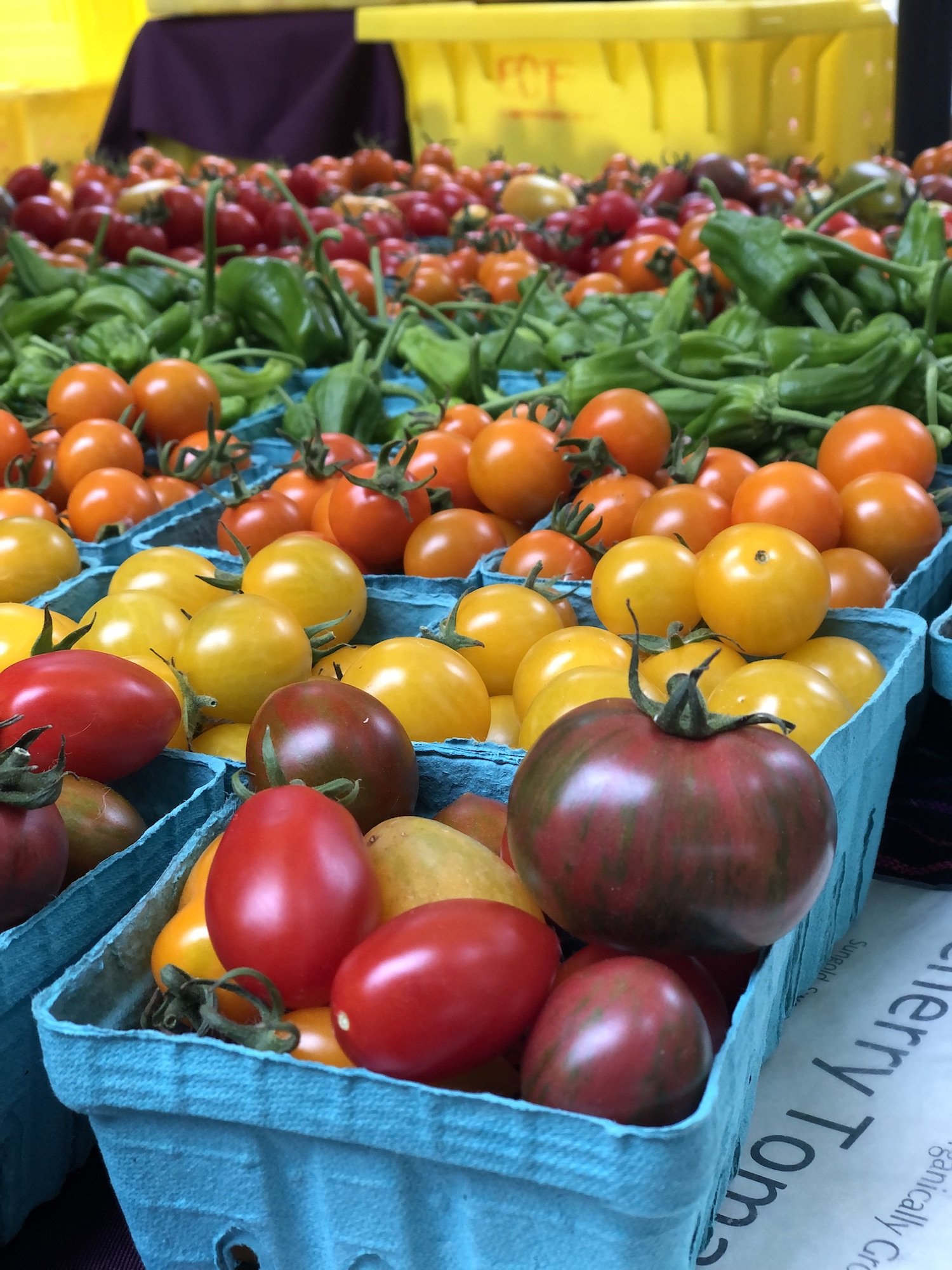
These dainty little sugar bombs are straight up just fun, always a joy to have in the garden and a pleasure to find on your plate. Eat whole right off the vine, pop into a salad or sliced up in pasta, sun dry for condensed flavor, & more!


Tomatillos
This shy little green tomato cousin is cozy inside a paper lantern. Known for its acidity and thicker texture, tomatillos are the base of many salsas and other dishes, used both raw and cooked. Ranging from large tomato-sized fruits to small purple tomatillos milperos with varying levels of acidity and sweetness, tomatillos are a staple solanaceous fruit.

Mustard Seed
The yellow condiment that we all have in the fridge is indeed made from the seeds of the mustard plant. There are many different varieties of mustard that are used for mustard production, and many different mustards that range from smooth to chunky. Mustard seed is also commonly used whole in various dishes.

Canola
Most of us are familiar with canola oil on the shelf in the grocery store. Although the fields of endless yellow flowers that precede the seed that will be pressed to make the oil are beautiful to look at and the plant is produced globally, there is great controversy over this plant’s presence in the Pacific Northwest.
Black Radish
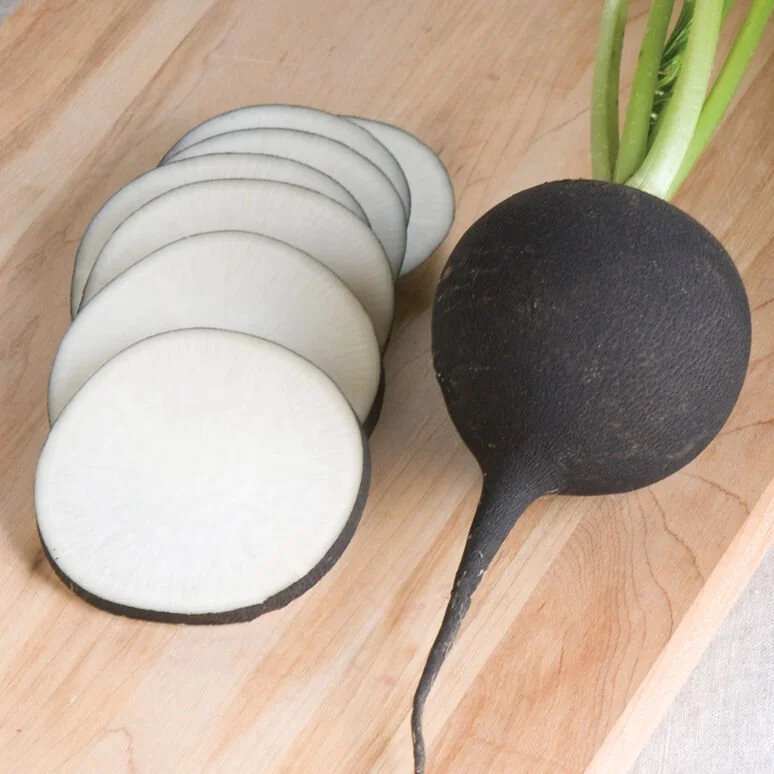
This rough-skinned radish packs a pungent punch similar to its horseradish cousins. Black radishes are known for being highly nutritious and used for medicinal purposes, and have histories of common use in cooking throughout Eastern Europe and in many Jewish communities.

Daikon Radish
A large, elongated white radish with light green shoulders, commonly used in Korea for kimchi and other ferments. This storage root has a nice balance of heat and sweetness, and although the traditional variety is white and green, daikon radishes range from pure white to bright purple all the way throughout.

Salad Radish
From red to white to purple to little snow-tipped breakfast radishes, salad radishes are all harvested when small, crisp, spicy, and sweet! Typically available in fresh bunches with their greens (which are delicious cooked) in the shoulder seasons of spring and fall in the PNW.

Watermelon Radish
White and green on the outside with a bright magenta pink burst in the center, watermelon radishes are named for their color and for their sweetness that is accompanied by mild to pungent spice. Absolutely beautiful in salads, slaws, pickles, and as a garnish. Most salad radishes are harvested when they’re sweet and young, but watermelon radishes are a storage radish that get sweeter as they get bigger and experience a few frosts.

Maca (Peruvian Ginseng)
Maca, a tiny turnip-looking root, is one of many plants that has been put up onto the precarious “superfood” pedestal. There is no doubt that this powerful little medicinal Brassica root from Peru has its place in this world as medicine, but the global hype over superfoods often has detrimental effects on the communities that the plant came from. In addition to its medicinal qualities, maca can be ground into a powder and used to make a hot chocolate-like drink.

Horseradish
A long true root that grows more like burdock (Asteraceae) than it grows like a radish with a punch-you-up-the-nose heat that is blunt and immediate with less complicated flavors than wasabi is known for. Due to wasabi’s limited growing conditions and how easily horseradish grows, most of the wasabi paste we eat with our sushi is mixed with horseradish and green food coloring.
Wasabi
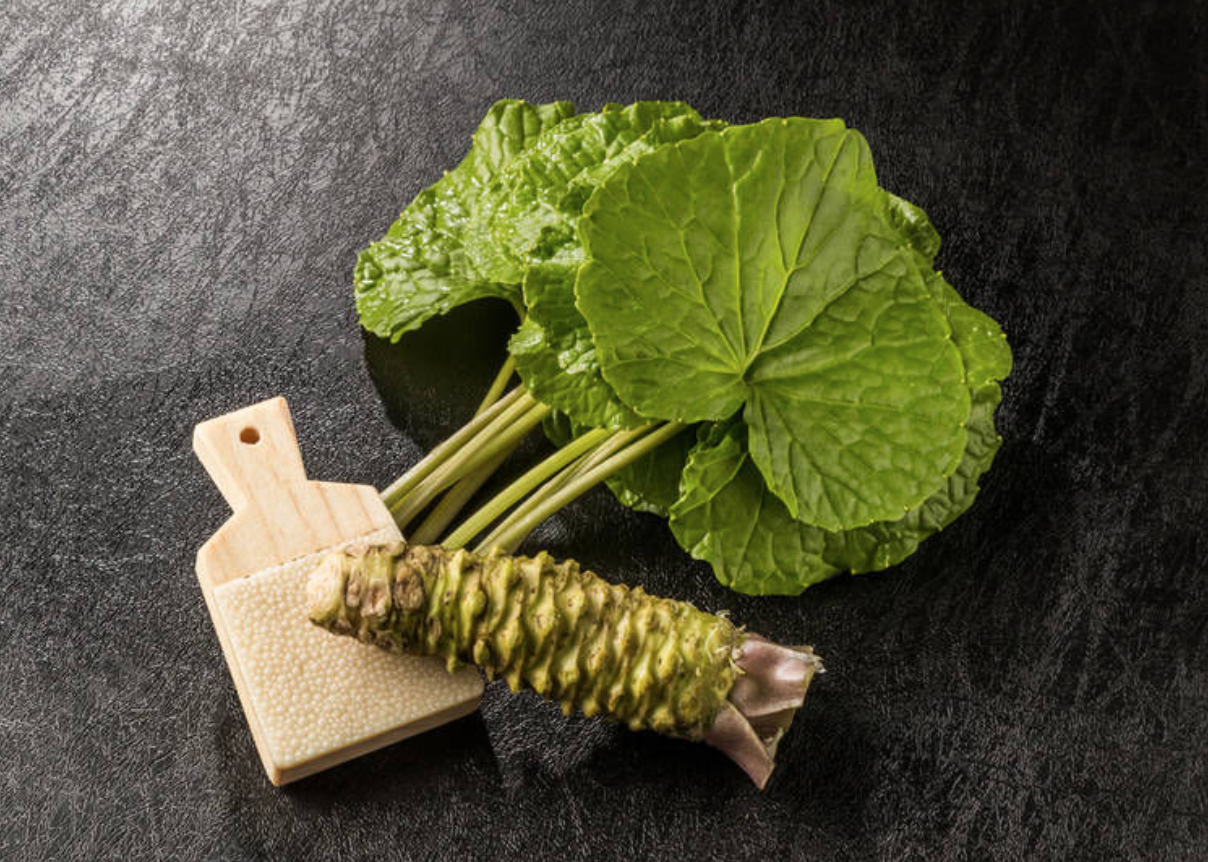
Similar to the horseradish root, wasabi is actually a rhizome harvested for a root-like stem, like a kohlrabi, and it has a more rounded sweet flavor in addition to the punch-you-up-the-nose heat. Due to its limited growing conditions and the ease with which horseradish grows, most of the wasabi paste we eat with our sushi is mostly horseradish and green food coloring. Regardless of which one is getting your sinuses dripping, it’s clear that these two Brassicas bring the heat like no others.